Autumn leaves, pumpkin spice, cozy sweaters… what’s not to love about fall? While we humans embrace the season, it’s crucial for pet parents to be aware of the less obvious dangers that can lurk for our furry friends during these beautiful months. At WildBloom Pets, we’re dedicated to helping you keep your companions safe and thriving year-round. Let’s dive into some of fall’s hidden hazards and how to protect your pet.
The Mysterious Mushroom: A Yard’s Deceptive Delicacy
As the weather cools and moisture increases, a variety of mushrooms can pop up in your yard, parks, and even on your daily walks. While some are harmless, many are highly toxic and can cause serious illness or even be fatal if ingested by your curious pet.
What to do:
- Scrutinize your yard: Before letting your pet out, do a quick sweep for any new mushroom growth and remove it.
- Leash walks: Keep your pet on a leash in wooded areas or places where mushrooms are common.
- Learn the signs: Symptoms of mushroom poisoning can include vomiting, diarrhea, lethargy, drooling, abdominal pain, and even seizures. If you suspect your pet has eaten a mushroom, contact your vet immediately.
The Sweet Scent of Danger: Antifreeze Leaks
With dropping temperatures, car owners start thinking about antifreeze. Unfortunately, antifreeze (ethylene glycol) has a sweet taste that is incredibly appealing to pets, but it’s highly poisonous. Even a small lick from a garage floor or driveway puddle can cause kidney failure and be deadly.
What to do:
- Check for leaks: Regularly inspect your car for any leaks and fix them promptly.
- Clean spills immediately: If antifreeze spills, clean it thoroughly with absorbent materials and dispose of them safely.
- Consider alternatives: If possible, use pet-safe antifreeze products that contain propylene glycol, which is less toxic.
Rodenticides: A Silent Threat
Fall often sees rodents seeking warmth indoors, leading some homeowners to use rodenticides. These poisons are designed to be attractive to pests, but they are equally alluring and devastating to pets. Secondary poisoning can also occur if your pet eats a rodent that has ingested the poison.
What to do:
- Avoid use if possible: The safest option for pet owners is to avoid using rodenticides altogether.
- Pet-safe alternatives: Explore humane traps or natural deterrents.
- Strategic placement: If absolutely necessary, place rodenticides in areas completely inaccessible to pets and children. Be mindful that even a “pet-proof” bait station isn’t always foolproof.
Don’t Let Your Guard Down: Flea and Tick Prevention
Many pet parents mistakenly believe that flea and tick season ends with the summer. However, milder fall temperatures mean these pesky parasites can remain active well into autumn, and even indoors all year long.
What to do:
- Maintain prevention: Continue your regular flea and tick prevention routine as recommended by your vet.
- Regular checks: Even with preventatives, routinely check your pet for fleas and ticks after outdoor adventures.
Be Prepared: The Importance of a Pet First-Aid Kit
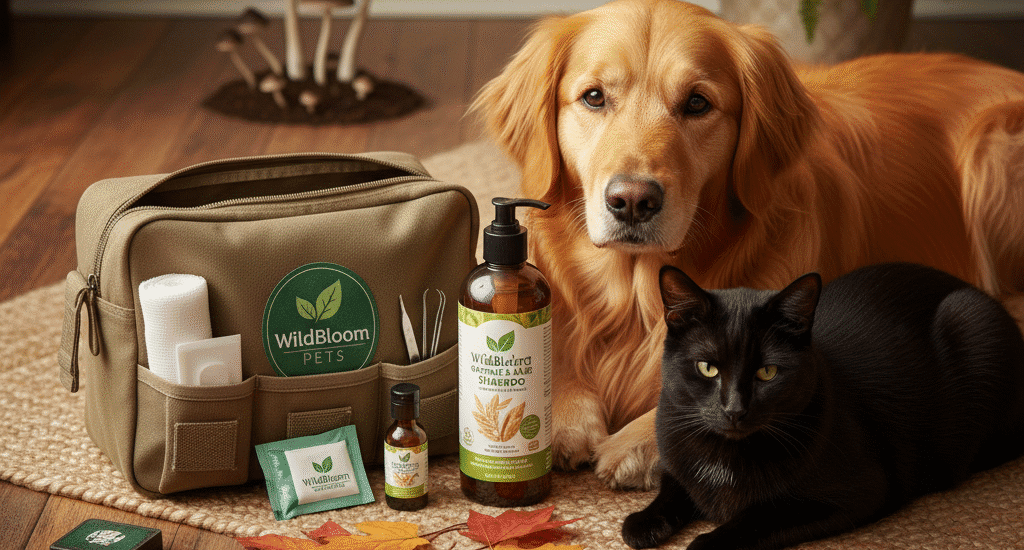
Accidents and emergencies can happen anytime, anywhere. Having a well-stocked pet first-aid kit on hand can make a crucial difference in those critical moments, allowing you to provide immediate care before reaching your veterinarian.
What to include:
- Gauze, adhesive tape, antiseptic wipes
- Tweezers (for splinters or ticks)
- Hydrogen peroxide (to induce vomiting only under vet instruction)
- Your vet’s contact information and the nearest emergency clinic
At Wild Bloom Pets, we believe in empowering pet parents with the knowledge and tools to ensure their companions live their happiest, healthiest lives. Stay vigilant this autumn, and enjoy all the beauty the season has to offer, safely!