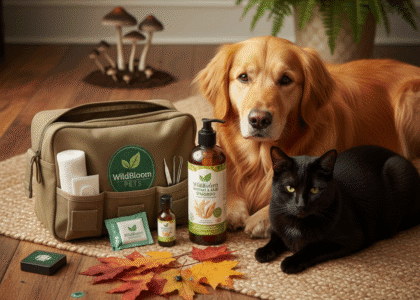
Few things are as heartbreaking as watching our beloved pets constantly scratch, lick, or chew at their skin. Persistent itching can be a sign of many underlying issues, from allergies to parasites, but sometimes, a simple topical solution can offer immediate, soothing relief while you investigate the root cause.
Before reaching for harsh chemicals, consider the power of natural anti-itch sprays. These gentle formulations can provide comfort and even support skin healing.
Important Disclaimer: While natural anti-itch sprays can offer temporary relief, they are not a substitute for veterinary diagnosis. If your pet has persistent, severe, or worsening itching, open wounds, or signs of infection, please consult your veterinarian immediately to determine the underlying cause.
Why Choose Natural Anti-Itch Sprays?
Many conventional topical treatments can contain ingredients that some pets are sensitive to, or that you might prefer to avoid. Natural options often leverage botanical ingredients known for their anti-inflammatory, soothing, and antiseptic properties, offering relief with fewer potential side effects. Plus, since pets often lick treated areas, natural ingredients can provide peace of mind.
Key Natural Ingredients to Look For (and Why They Work!)
When choosing or making a natural anti-itch spray, keep an eye out for these beneficial components:
- Aloe Vera: This plant is renowned for its soothing, cooling, and healing properties. It can reduce inflammation and provide immediate relief from irritation. Ensure you use pure aloe vera, not the kind with additives or fragrances.
- Oatmeal (Colloidal Oats): Finely ground oatmeal creates a colloidal solution that binds to the skin, forming a protective barrier and locking in moisture. It’s excellent for reducing inflammation, redness, and itchiness.
- Chamomile: Beyond its calming effects internally, chamomile has anti-inflammatory and antiseptic properties when applied topically. It can help soothe irritated skin.
- Green Tea: Rich in antioxidants and compounds that reduce inflammation, brewed green tea can be a refreshing and soothing component in an anti-itch spray.
- Witch Hazel: A natural astringent, witch hazel can help cleanse and tone the skin, reducing irritation and minor inflammation. Ensure it’s alcohol-free to prevent drying.
- Apple Cider Vinegar (Diluted): When properly diluted, ACV can help balance skin pH and has mild antiseptic properties. It’s often used for yeast-related itching, but must be diluted significantly and avoided on open wounds.
Lavender (Diluted Essential Oil): While individual essential oils should be used with extreme caution and proper dilution in pet products, pure, therapeutic-grade lavender, when correctly diluted and used in a well-ventilated area, can have calming and mild anti-inflammatory effects. Always ensure it’s specifically formulated for pets or used under veterinary guidance.
Tips for Using Anti-Itch Sprays:
- Patch Test: Before full application, spray a small, inconspicuous area and wait 24 hours to ensure no adverse reaction.
- Avoid Open Wounds: Do not spray on open cuts, raw skin, or infected areas unless specifically directed by your vet.
- Frequent Application: For best results, you may need to apply the spray several times a day.
- Distraction: After spraying, distract your pet with a treat or a quick game to prevent immediate licking of the treated area, allowing the ingredients to absorb.
- Address the Root Cause: Remember, an anti-itch spray offers symptomatic relief. It’s vital to work with your veterinarian to identify and treat the underlying cause of your pet’s itching.
By understanding and utilizing natural anti-itch sprays, you can provide your furry friend with immediate comfort, helping them feel more relaxed and happy in their own skin.